

Newsletter
October 2026
October Hybrid Meeting
Students of Logosophy across the United States and Canada gathered on Saturday, October 10, for their second Hybrid Meeting of 2026. Local groups met in Fort Lauderdale, Houston, Boston, Atlanta, and Toronto, while others joined virtually. This time, our studies and interchanges focused on concepts that sustain the current culture and the original concepts Logosophy teaches in order to build a new culture for humanity.
It is always a great opportunity to come together to interchange about our studies and efforts to better ourselves and expand the good we are building within to those around us.
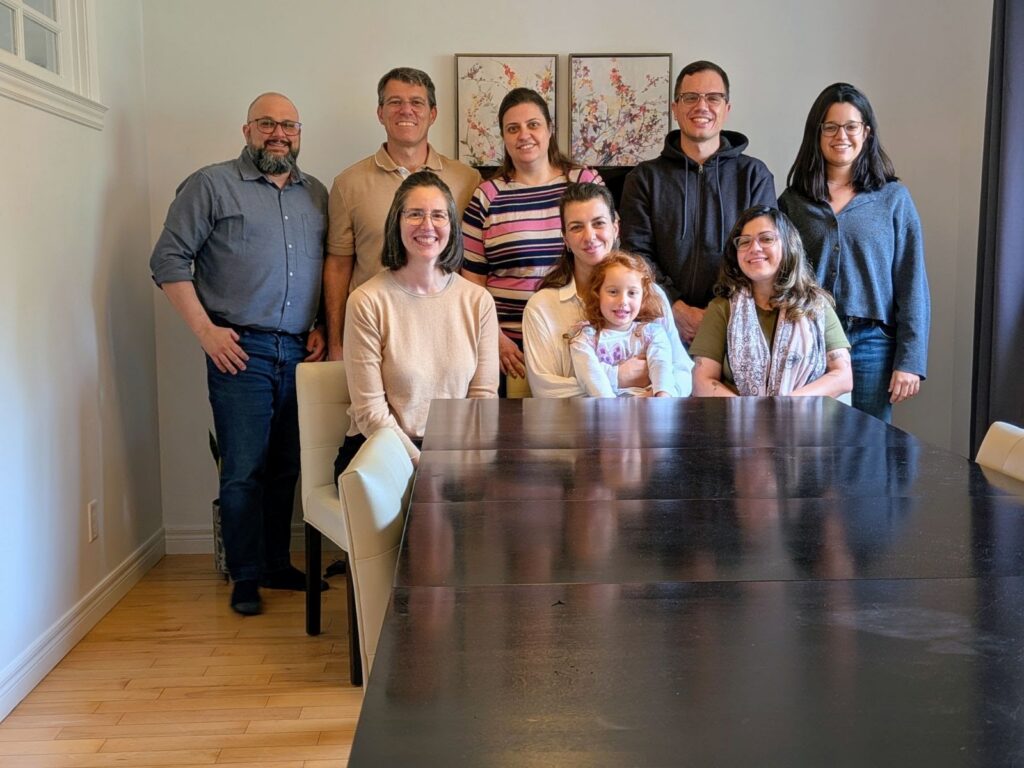
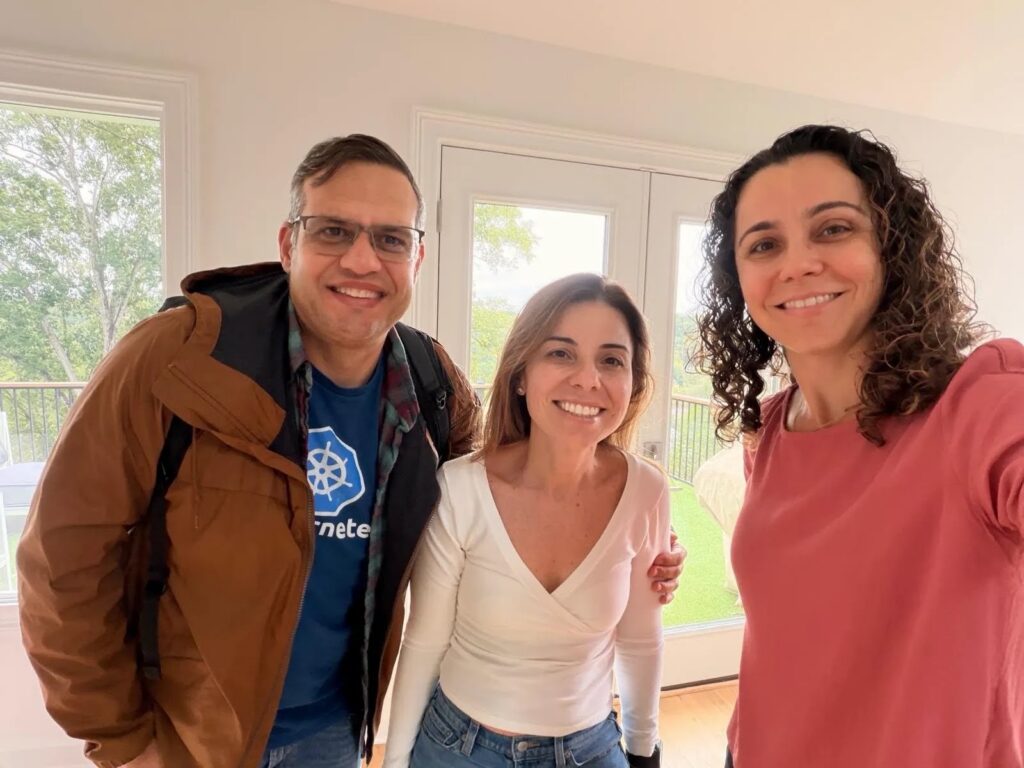
Logosophy students in the US and Canada met for the second Hybrid Meeting of 2026 on October 10.
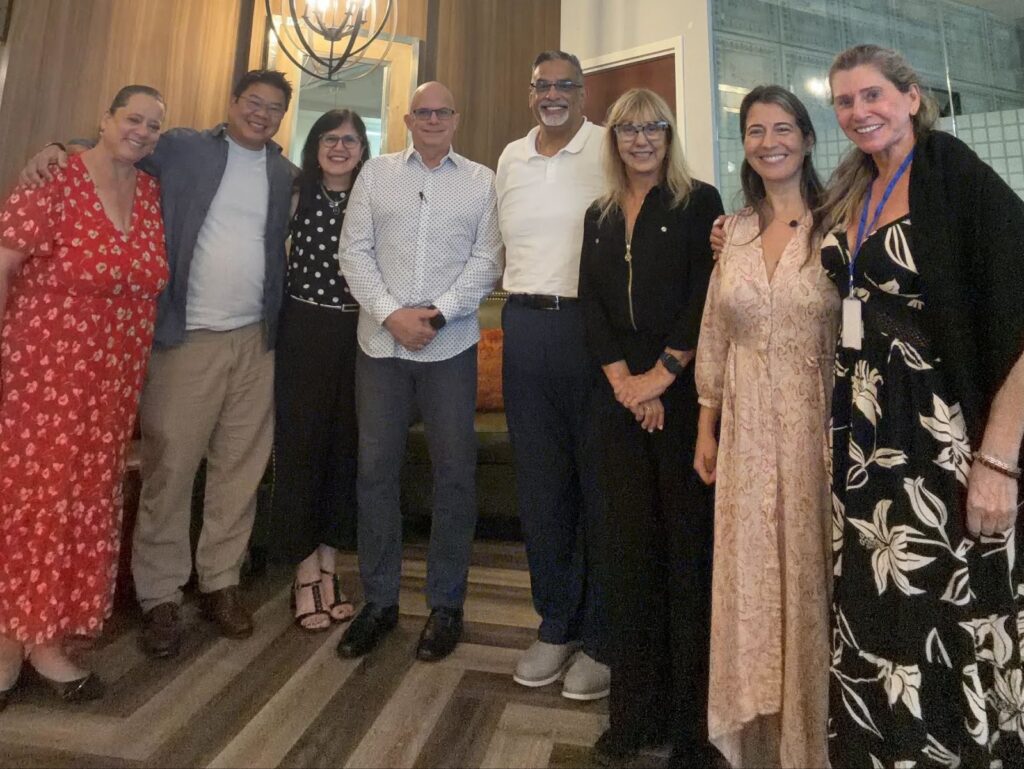
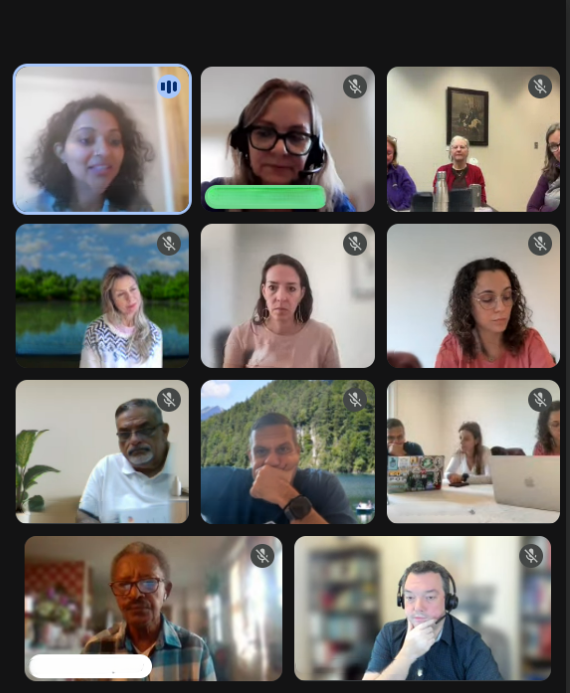
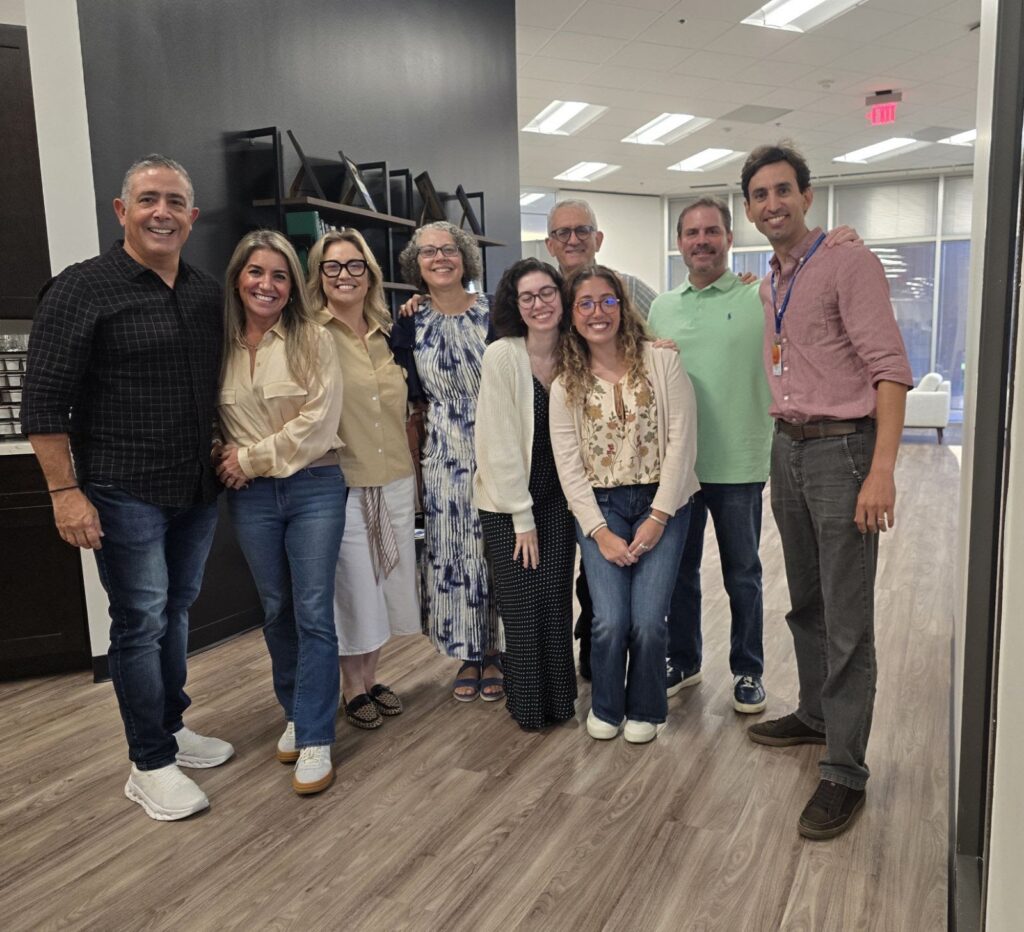
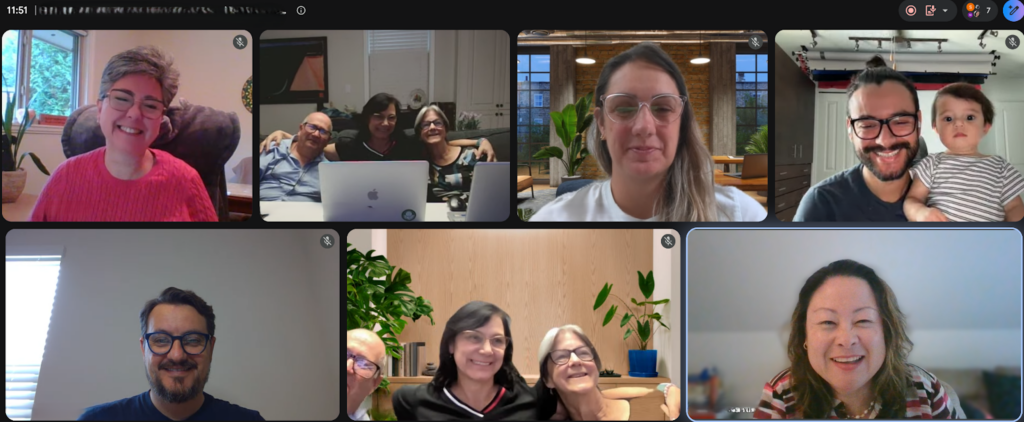
The meetings were held in Fort Lauderdale, Houston, Atlanta, Boston, Toronto, and virtually.
Concepts for a New Culture
In a world dominated by traditional views of labor, rest, and fulfillment, building a new culture begins with reevaluating the fundamental concepts that shape human conduct. On our article of the month, a Logosophy student reflects on how inherited beliefs about work and inertia often conflict with the dynamic, continuous movement of Nature. By examining our life purpose and shifting toward conscious, intelligent activity, we can foster values—such as generosity, dignity, and real knowledge—that contribute to lasting human evolution and a better world.
The Work of the Immortals
These days, when people around me ask, “So, are you rushing around too much? Working too much?” My answer has caused some surprise: “I work in my profession just enough, because I have many important things to do in my life.” Then the reader might ask, “But isn’t work important?” In that case, I would answer that “yes, work is extremely important, but its importance and, above all, its moral and real value, depends eminently on the objective for which one works!”
In childhood, the concept of work I learned was that work is noble, that it’s a daily struggle, that it’s tiring. “Give your dad a kiss because he’s going to work, poor thing!”, “Working is good, but it’s so tiring!” The concept we’ve had of work since birth isn’t very good! Something tiring, tedious, heavy, exhausting, isn’t the good part of life. A good life is one where you rest, when we’re on vacation, when we travel for pleasure, a few weeks at the beach, etc. Nobody is saying these things are bad—of course not—but I’ve been trying to reflect a little more deeply on them.
How does the Universe, this marvel of Creation not invented by human beings, function? Does the Sun take a break from time to time? Does the Earth interrupt, even for a moment, its natural movement? Imagine if our hearts took a week’s vacation? Do you know any chickadee that, for whatever reason, leaves its unfinished nest and says: “I’m tired, I’m going to rest, I don’t want to work anymore!”?
Nothing, absolutely nothing in nature stops! If it did, it would be an interrupted process and an immediate or near-immediate degeneration; that’s how it works.
And what about us? As part of Creation and Nature, are we not subject to the same Universal Laws?
Every day Nature shows us its continuity, its constancy, its repetition and, above all, its evolution. So I ask myself: why is it that the human being, the only being in Creation endowed simultaneously with intelligence, conscience, and will, wants to stop? Why do we want eternal rest, retirement, dolce far niente? What drives us to prefer inertia to work?
I have learned, through the logosophical conception of life and existence, that the problem lies in the concepts established by the culture in which we live. What happens is that Nature, Creation, the Universe—which contain within themselves a beauty—infinite purity and nobility—they tell us one thing, and we teach our children other things.
We teach the opposite when we celebrate with them the arrival of vacations, the lack of struggle in life, when we encourage and value, in our own lives, the proximity of any moment of leisure…of inertia. We teach the opposite when we rebel against any type of activity that demands effort and challenges us. We don’t complain if movement is uniform rectilinear motion (MRU) = INERTIA! Only now, at over 40, am I learning to reverse the concept of work within myself. It hasn’t been an easy task.
But working so hard… what’s the point? To make money? To accumulate, to dominate, to seem better than others, to have this, that, and the other thing? And what’s the point of having so much if I’m going to die in a few years?
Herein lies the great question of the power of idleness and inertia in human beings over conscious and intelligent activity: the lack of knowledge and existing beliefs about death.
After all, what’s the point of achieving so much, working so hard, fighting so hard if I’m just going to die anyway? Well, the fact is, even after turning 40, I discovered that we can be mortal or immortal… It depends on what each person chooses as their life’s purpose.
To live only to die, or to live for eternity?
The mortal is the one who worked only for himself, accumulating material goods for himself and his equally selfish family, and who, from the fortune he amassed throughout his life, distributed crumbs here and there to be well-regarded and not be labeled a usurper wherever he went.
And the immortal?
The immortal, on the other hand, is the one who, after learning to be self-sufficient physically, morally, and intellectually, to sustain his inner, family, and social life with dignity, also dedicates his time to work towards building a better world, to collaborate in building a new culture that teaches children something different…that teaches them the value of generosity, decency, and dignity, that encourages them to acquire knowledge about the true and real values of humankind, and that will make them equally immortal.
Now, the most interesting thing about all this is that, even for those who choose mortal life, the Universe holds a surprise. The physical body, being the only thing that remains to them, will transform upon disintegration after death. The atoms that formed that body do not die; they transform and continue to obey all the inexorable Laws of the Universe, in their constant activity and work, always!
By Michelle Moysés Ballesteros
“I want to insist once again and will always insist that it is necessary to conquer death in order to feel and know what life really is. Death is conquered by conquering inertia, which is the absence of life and by conquering distraction, which is the absence of consciousness, while the heart beats to the rhythm of what you call life. You will then see that this continuous life, this life without the interruptions of inertia, of lack of will power, of despondency, of pessimism and of idleness will saturate you with happiness because it is a life that contains strength and will continuously convey joy and well-being. It is up to you to fill those gaps with life; if not the gaps of the past, at least you will be able to avoid those of the future, thus filling life so as to enjoy it in its broadest sense and expanding your perspectives and also your time because, logically, the more you live the more time will be available to you; conversely, time spent in idleness is time gone, and is lost.”
Excerpt from An Introduction to Logosophical Cognition, González Pecotche, p. 115.
Sign up on our website to receive future editions of this newsletter.
Copyright © 2026 – Logosophical Foundation, Inc. – All rights reserved.